The SSSS Mystery: Why Those Four Letters on Your Flight Ticket Change Everything
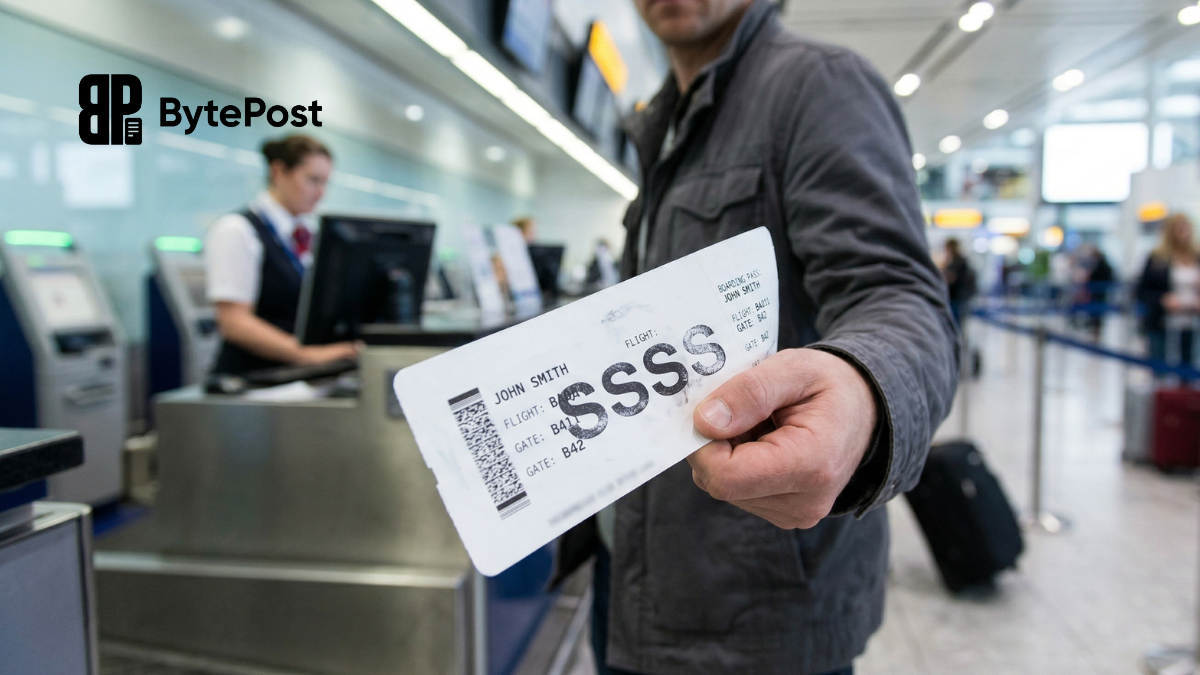
You pull up your boarding pass, scan it quickly for your gate and seat number, and then you spot it: SSSS, stamped boldly on your ticket. It’s not a promotion, a reward, or a boarding upgrade. Those four letters mean you’ve been flagged for a Secondary Security Screening Selection — a more intensive security check that can add anywhere from 15 to 45 minutes to your airport experience. Millions of travelers encounter this designation every year, yet most don’t know what triggered it, what to expect, or how to handle it.
Table of Contents
The Origin and Purpose of SSSS on Your Flight Ticket
SSSS stands for Secondary Security Screening Selection — an additional layer of security screening the Transportation Security Administration implemented after 9/11. The program targets travelers on flights to, from, within, and even overflying the United States.
The process works through a risk-based passenger pre-screening program called Secure Flight, which improves security by identifying low- and high-risk passengers before they arrive at the airport. The program matches passengers’ names against trusted traveler lists and government watchlists, collecting only the minimum personal information necessary — full name, date of birth, and gender.
The goal isn’t just to catch bad actors. It’s also to keep the system unpredictable. According to R. Carter Langston, press secretary for the TSA, “The agency incorporates unpredictable security measures, both seen and unseen, to accomplish the transportation-security mission.” The less predictable these flags are, the harder it becomes for anyone with harmful intent to game the system.
Why Did You Get the SSSS Flag?
This is the question that frustrates most travelers — and the answer isn’t always satisfying. The TSA doesn’t publish its exact selection criteria, but patterns have emerged.
Sometimes SSSS appears because a traveler’s name — or a name similar to theirs — appears on a security watchlist. Other triggers include purchasing a ticket at the last minute, booking only a one-way flight, or recently traveling to a country the United States considers high-risk.
Additional factors that can prompt selection include paying cash for a ticket and flying through countries classified as “high risk” by the Department of State. Wikipedia
But here’s what catches many travelers off guard: getting selected doesn’t mean you’re a high-risk passenger or ended up on any list — passengers are also randomly selected. “TSA always incorporates random and unpredictable measures into its procedures that may result in a passenger receiving an SSSS designation for a single flight,” a TSA spokesman confirmed.
In other words, you could be the most seasoned, pre-approved frequent flyer in the world and still get flagged. Enrolling in pre-screening programs like Clear, NEXUS, Global Entry, or TSA PreCheck won’t prevent the SSSS designation — security measures are designed to override these programs.
The Name-Matching Problem
One of the most common — and most frustrating — causes of SSSS has nothing to do with the traveler’s actual behavior. It’s more likely that a name has been mismatched with a name similar to someone on the No-Fly List. This disproportionately affects travelers with common names or names shared by individuals on watchlists, and it’s one of the primary reasons civil liberties advocates have long criticized the Selectee program.
What Actually Happens During the Screening
The First Signs Appear Before You Even Pack
If you’ve been chosen for additional screening, you’ll often notice it before you even get to the airport — online or mobile check-in may be blocked, and you’ll be instructed to see an agent to print your boarding pass.
At the check-in counter, don’t expect the agent to explain much. The ticketing agent likely won’t tell you that you’re on the SSSS list — they simply process the boarding pass and send you on your way, with those four letters quietly printed on your ticket.
Inside the Screening Itself
Enhanced screening can happen at the regular checkpoint, at a separate secondary area, or right at the gate — the latter is common on some international departures.
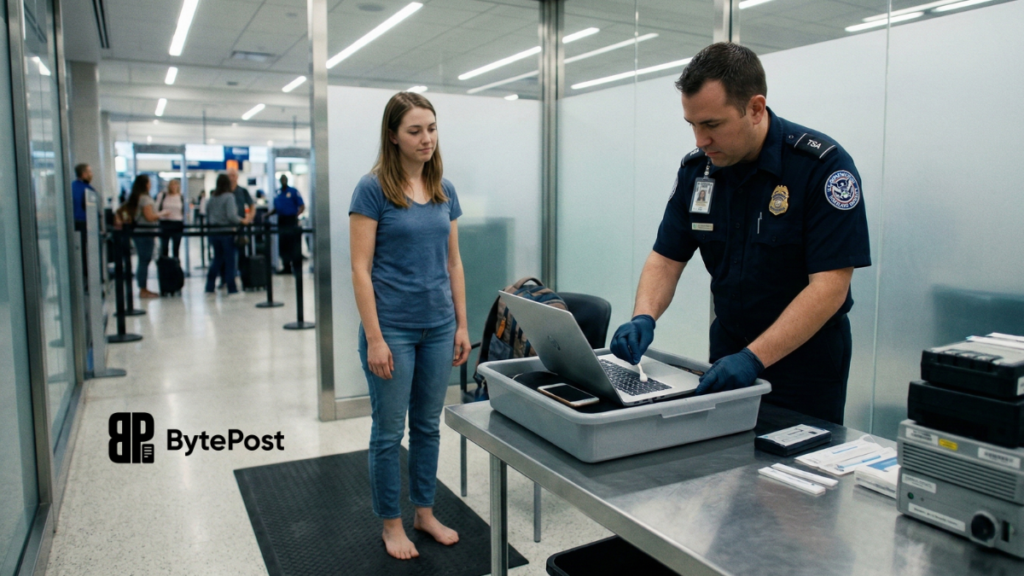
These screenings can take the form of pat-downs, extra luggage inspections, swabs for explosives, and more — and you’re likely going to spend about 15 to 45 minutes longer than expected in airport security.
According to frequent traveler Wendy Thiessen, who has received SSSS multiple times, agents tested her belongings for explosive residue and conducted a quick check of carry-on items. “I have never been taken to a mysterious room or anything worrisome,” she said. Friends and family may be able to see the person during the secondary inspection, though they should be prepared to meet at the gate.
Agents may also power on electronic devices to verify they function — this is most common on some U.S.-bound international flights subject to enhanced measures.
How to Handle It Smoothly — Practical Tips
Getting SSSS on your boarding pass doesn’t mean your trip is ruined. Here’s how to get through it with minimal disruption:
- Arrive early. Build in extra time since the additional screening can take longer. Check average wait times at your departure airport.
- Keep electronics charged and accessible. You may need to power them on for inspection.
- Pack neatly. Separating dense items, powders, and cords makes your bag easier to inspect.
- Stay calm and cooperative. TSA agents conducting the screening aren’t personally responsible for the flag. A respectful attitude keeps the process moving.
- You can request a supervisor. You can ask a TSA supervisor to come handle questions or complaints during screening, though this will add time to the process.
What to Do If It Keeps Happening
A one-time SSSS flag is inconvenient. A recurring one demands action.
Travelers who receive multiple SSSS markings should consider applying for the DHS Traveler Redress Inquiry Program (TRIP). Submitting an application assigns you a unique seven-digit Redress Control Number, which you include when booking future flights, allowing TSA to review your profile beforehand.
For quick assistance, travelers can contact @AskTSA on X or Facebook Messenger, or text “TRAVEL” to 275-872. Travelers with disabilities or medical conditions can call TSA Cares at 855-787-2227, ideally 72 hours before travel.
One important caveat: the DHS TRIP program is designed for future trips and does not affect a current trip that already carries an SSSS boarding pass. If you’re flagged today, you go through screening today — no exceptions.
The Bigger Picture: Privacy, Fairness, and the Future of Air Security
The SSSS program isn’t without controversy. Civil liberties groups have cited the Selectee list as a potential infringement on privacy rights and a vehicle for racial and ethnic discrimination. Wikipedia The list’s size and contents remain secret, though the TSA has confirmed it contains tens of thousands of names.
The name-matching problem compounds this. As of 2017, minors with names similar to those on watchlists still faced difficulty obtaining boarding passes and were subjected to additional screening Wikipedia — an indication that the system’s bluntness can catch innocent travelers in its net.
Authorities continue to defend the unpredictability of the system as essential to its effectiveness. But for the average traveler — particularly those flying internationally on one-way tickets, those from certain countries, or those with common names — the experience can feel arbitrary and opaque.
Conclusion:
SSSS on your boarding pass is a flag for enhanced security screening, not an accusation. It can hit anyone — first-time flyers, loyalty program elites, and everyone in between. The triggers range from genuinely suspicious travel patterns to simple name coincidences. What matters most is how you respond: arrive early, stay organized, keep your devices charged, and cooperate with agents.
If it happens once, chalk it up to the system’s intentional unpredictability. If it happens repeatedly, the DHS TRIP program exists precisely to help you resolve it. Either way, knowing what those four letters mean — before you land at the airport in a panic — puts you firmly ahead of most travelers standing in that secondary screening line.