Aadhaar Rules Change: What Cardholders Must Know as New Identity Rules Kick In
India’s national identity system, Aadhaar, is about to enter a new phase. Starting after midnight on December 31, 2025, the Unique Identification Authority of India (UIDAI) will enforce a series of sweeping rule changes that reshuffle how the document works and how citizens interact with it. These updates are designed to enhance security, tighten compliance, and shift Aadhaar from a static card to a dynamic, digitally driven identity service.
Here’s what you need to understand about the shift, how it affects travel, financial services, and everyday verification, and what you should do now.
What Is Aadhaar and Why It Matters
Aadhaar is a 12-digit unique identity number issued to Indian residents based on biometric and demographic data. It is used as proof of identity and underpins many public and private services, including government subsidies, banking, tax filings, and travel documentation checks. Wikipedia
From 2026, the rules governing Aadhaar are changing in ways that reach into tax compliance, digital security, and even how the card itself looks.
What’s Changing After December 31
New Card Format Focused on Privacy
One of the most obvious updates is a redesign of the physical Aadhaar card. The card will now only show the holder’s photograph and a secure QR code. Personal details like the name, address, and the 12-digit Aadhaar number will no longer be visible on the printed card. The QR code can be scanned to verify identity in authorized settings.
This shift serves two purposes:
- Reduce unauthorized sharing of personal data, especially in photocopied forms.
- Encourage digital verification over paper records.
PAN and Aadhaar Link Deadline
Every Indian taxpayer must link their PAN (Permanent Account Number) with Aadhaar before December 31, 2025. If this linkage is not completed by then, the PAN will be marked “inoperative” starting January 1, 2026. An inoperative PAN can’t be used for filing returns, claiming refunds, or high-value financial transactions.
This change affects travelers who file taxes or engage in financial activity like international transactions. If you plan to travel or earn income abroad, ensure your Aadhaar–PAN linkage is complete.
Online Updates and Digital KYC Expansion
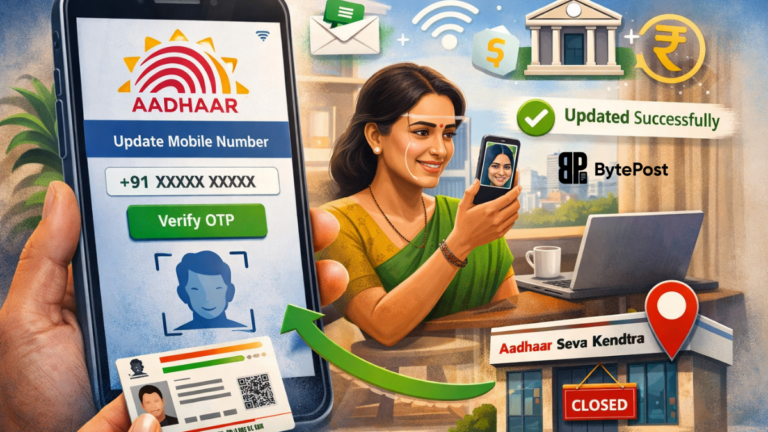
UIDAI has already made updates easier by allowing online changes to key details such as name, address, date of birth, and mobile number. This eliminates the need to visit in-person Aadhaar Seva Kendras for most demographic updates. Digital KYC procedures at banks and financial institutions now rely on Aadhaar for paperless identity verification using OTP or video processes.
Mandatory Updates for Older Records
Cards issued over ten years ago are facing extra scrutiny. UIDAI is encouraging holders with older Aadhaar records to update demographic and biometric details to avoid disruption in services. This reflects a push to improve the database’s accuracy after years of rapid enrolment.
Biometric and Face Authentication Rollout
New rules now allow face authentication as a valid Aadhaar verification method. This can simplify checks for hotel check-ins, deliveries, and events while prioritizing user consent. Offline modes of verification with updated safety standards are also part of this rollout.
What This Means for People and Travelers
Practical Impacts
- Travel documentation: Many travel bookings, visa applications, and other identity checks use Aadhaar. The updated card with only a photo and QR code means travelers should know how to generate and present digital Aadhaar or masked versions with minimal data.
- Financial readiness: If you are filing taxes, opening bank accounts, or making hotel reservations that require KYC, make sure your Aadhaar–PAN link is in place.
- Online convenience: Most demographic changes can now happen from home, saving time and queuing hassles.
Security and Data Protection
The UIDAI and government are doubling down on security. Recent parliamentary assurances confirm the Aadhaar database has not experienced a breach to date, supported by multiple layers of technical defenses.
Still, the move to a QR-centric card reflects concerns about data leakage from discarded photocopies. For travelers and everyday users, it means stronger privacy but also a learning curve in using QR verification tools.
Expert View: Aadhaar as Living Identity
Experts describe these changes as shifting Aadhaar from a static document to a living digital identity record. Rather than a one-time proof, it’s becoming a continuously updated credential tied to financial and public services. Compliance will matter more than ever.
From a traveler’s perspective, that means planning ahead. Make sure details are up to date and linked to PAN. Learn to use the digital Aadhaar app or Aadhaar services online before you hit the road.
What You Should Do Now – Conclusion:
Here’s a quick checklist:
- Link your Aadhaar with PAN before December 31, 2025 to avoid future financial disruption.
- Update your Aadhaar details online if it’s older than ten years.
- Familiarize yourself with digital Aadhaar and QR code scanning tools for identity verification.
- Keep your mobile number active and linked to Aadhaar to receive OTPs for updates and verification.
Aadhaar is evolving. What started as a simple identity number has become the backbone of India’s digital and financial ecosystems. From the redesign of the card itself to stricter linking requirements and broader digital KYC, the changes aim to protect residents while tightening the system’s relevance to everyday life.
For travelers, professionals, and anyone using Aadhaar in official, tax, or financial contexts, staying ahead of these updates will avoid delays and complications in 2026 and beyond.