
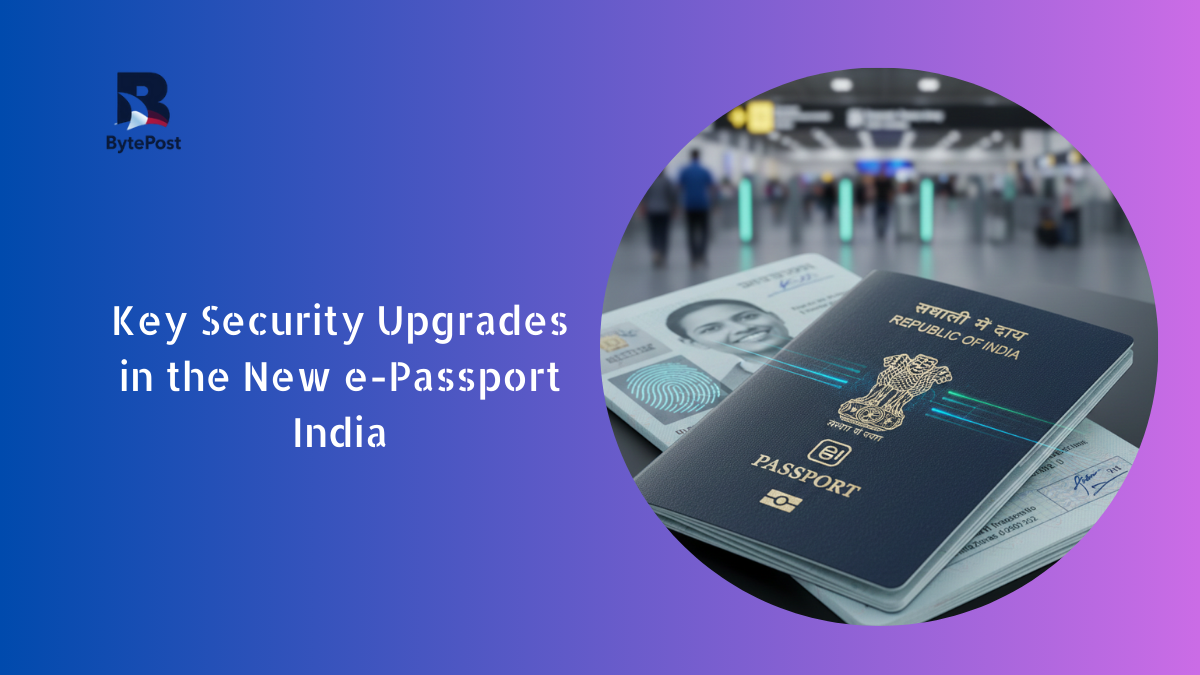
India’s Digital Leap: Key Security Upgrades in the New e-Passport India
The Government of India has quietly initiated a major technological shift in international travel, rolling out the new e-Passport India to modernize air documentation for its citizens. Equipped with an embedded electronic chip, this new document is designed not only to dramatically enhance security against forgery but also to significantly accelerate immigration checks, aligning India’s travel standards with the best in the world. For the Indian traveler, this isn’t just an administrative update; it’s a transformative move promising safer and more seamless global mobility in the digital age.
The Technological Core of Secure Travel
The newly introduced e-Passport, while visually similar to its traditional predecessor, carries its most critical component securely hidden inside the back cover: a microchip. This embedded chip acts as a digital vault, securely storing the holder’s personal data alongside crucial biometric details, including fingerprints, facial recognition data, and digital signatures.
This isn’t merely data storage; it represents a fundamental upgrade in verifiable identification. By locking down sensitive information within this electronic component, the new documentation system effectively renders the passport resistant to duplication and malicious tampering. This technological pivot sets the stage for a smarter, more secure travel ecosystem for every Indian citizen venturing abroad.
Application and Accessibility: Understanding the e-Passport India Rollout
For citizens, the transition to the upgraded document is designed to be smooth. Crucially, any Indian citizen already eligible for a regular passport can now apply for the chip-enabled version.
The Standardized Application Process
The application mechanics remain unchanged, reducing friction for applicants. To get the new document, citizens must follow the standard procedure:
- Online Registration: Register on the official Passport Seva portal.
- Form and Fee: Complete the online application form and pay the required fee.
- Appointment: Schedule an appointment at a designated Passport Seva Kendra (PSK) or Post Office Passport Seva Kendra (POPSK).
The primary difference occurs during the in-person appointment, where the applicant’s biometric data—fingerprints and photographs—will be captured for encryption onto the chip. Once processed and printed with the embedded chip, the completed e-Passport is dispatched to the registered address.
Strategic Phase-In and Future Implications
Given the enormous scale of Indian international travel, the government didn’t attempt an instant switchover. Initially, the e-Passport facility is only being offered at a select number of PSKs and POPSKs nationwide. The rollout is strategic, with plans to gradually expand the service to every corner of the country. This ensures that both new applicants and those renewing their existing passports will eventually benefit from this essential security and convenience upgrade.
The sheer benefit of this technological integration is profound. The embedded chip significantly reduces the risk of identity theft or duplication, directly translating into safer international journeys for millions of travelers. Furthermore, faster immigration clearance at airports—a direct result of globally standardized electronic verification—means less time spent in queues and a more efficient travel experience overall. This move enhances the global acceptance of the Indian passport, cementing its trustworthiness in the eyes of international authorities.
A Final, Authoritative Shift
India’s shift to the e-Passport system isn’t just about adding a chip; it’s about fortifying its national identity document against modern threats while simultaneously improving the travel experience for its citizens. By aligning its documentation with advanced global security standards, the government is paving the way for easier, faster, and demonstrably safer global mobility, making international travel less of a documentation hurdle and more of a seamless digital transition.