

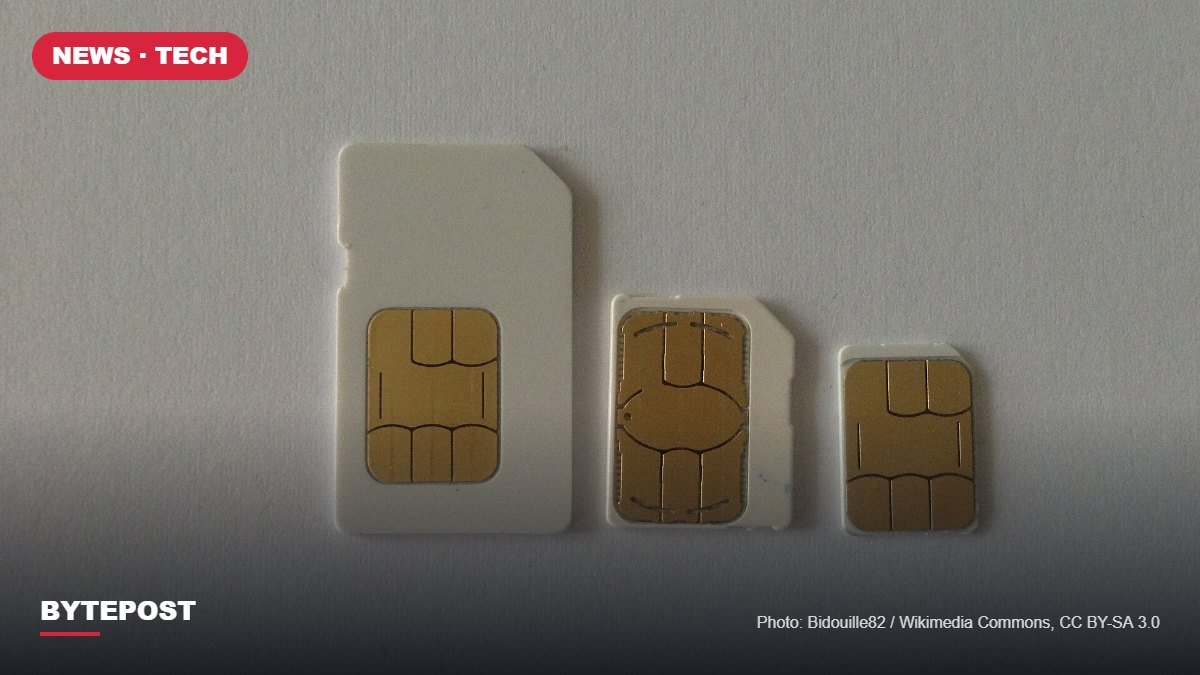
If you use WhatsApp on a phone that does not have your registered SIM card inside it, that setup may stop working in less than two months. India’s new SIM-binding rule for messaging apps is due to take effect from 1 January 2027.
The Department of Telecommunications (DoT) says the rule is meant to fight scams that use Indian phone numbers, such as digital arrest and fake government calls. Here is what it requires, who will feel it most, and what you should check now.
What is SIM binding?
SIM binding means a messaging account linked to an Indian mobile number must stay tied to the active SIM card for that number, inside the same device. According to a Ministry of Communications statement reported by News On AIR, the aim is to make it impossible to use the app without that specific, active SIM.
Today, many apps keep working even after the SIM is removed, or the SIM is moved abroad. The government says criminals misuse this to run anonymous scams from accounts tied to Indian numbers.
Key facts at a glance
| Detail | What we know |
|---|---|
| Directions issued | 28 November 2025, under the Telecom Cyber Security Rules, 2024 |
| Original deadline | 90 days to comply, 120 days to report |
| Extended deadline | 31 December 2026, after industry requests |
| Rule applies from | 1 January 2027 |
| Apps named | WhatsApp, Telegram, Snapchat, Arattai, ShareChat, Josh, JioChat, Signal |
| Reason given | Cyber fraud losses of over ₹22,800 crore in 2024, according to DoT |
What the apps must do
- Keep the account linked to the SIM. If the registered SIM is removed, replaced or deactivated, the app may stop working until a valid SIM or eSIM for that number is back in the device.
- Log out web and desktop sessions periodically. Earlier reports mentioned a six-hour limit for web sessions. More recent reports from ETV Bharat and Inc42 say the government has moved to a risk-based approach instead. The exact interval is not yet confirmed.
- Let users re-link devices with a QR code, as many apps already do for web logins.
DoT has said this kind of device binding is already standard in banking and UPI apps, which typically check that your SIM is present before allowing payments.
Who will be affected most
- People who use two phones. If your SIM is in one phone but you use WhatsApp on another, that will likely stop working.
- Tablet users. Using a messaging app on a tablet without the registered SIM may also be affected.
- People whose number is inactive. If you let a prepaid number lapse but still use it for WhatsApp, you could lose access.
- Dual-SIM users. Make sure the number linked to your messaging account stays active.
- Indians travelling abroad. Reports say international roaming is not affected as long as the registered SIM stays in your phone.
If your phone has the registered SIM inside and the number is active, reports say you are unlikely to notice any difference.
What about eSIMs?
Most reports, including Social Samosa and the Free Press Journal, say an active eSIM for your registered number on the same device should count. However, Inc42, citing a CNBC report, says the exact rules for eSIM users have not been fully clarified. If you use an eSIM, watch for in-app notices from your messaging app.
Are the apps ready?
Inc42, citing CNBC, reported that WhatsApp and Arattai have said they are working to comply, and that Apple has updated iOS to support the requirement. Telegram had not clarified its status and Signal had not responded to government notices at the time of that report. Snapchat has reportedly argued the rule should not apply because it does not use phone numbers to identify users, although the DoT directions name it.
What it means for you: what to do now
- Check which number your WhatsApp and Telegram accounts use. Open the app’s settings and confirm it is the number in your phone.
- Keep that SIM active. Recharge prepaid numbers on time so they are not deactivated.
- Move the SIM to the phone you actually use, or switch your messaging account to the number that is in that phone.
- Back up your chats now, so you do not lose anything if you need to re-register.
- Expect to re-scan QR codes more often on WhatsApp Web or desktop.
- Stay alert to scams. Fraudsters may send fake “SIM verification” messages. Never share OTPs or click links claiming your account will be blocked.
Our earlier explainer on the Supreme Court’s order on digital arrest victims explains what you can do if you are targeted by such frauds.
The bottom line
From 1 January 2027, messaging apps tied to Indian numbers must stay linked to an active SIM in the same device. For most people with one phone and an active SIM, nothing will change. If you use WhatsApp on a second phone, a tablet, or with an inactive number, sort it out before the deadline. Some details, such as web logout timing and eSIM rules, may still be clarified.
Sources
- News On AIR: DoT mandates SIM binding for messaging apps to curb digital fraud
- Inc42: WhatsApp, Telegram SIM-binding mandate to take effect from January 1
- Social Samosa: DoT mandates active SIM linkage for messaging apps from January 2027
- ETV Bharat: SIM-binding rule takes effect from January 2027
- Free Press Journal: What changes for WhatsApp, Telegram from January 1





Leave a Reply