

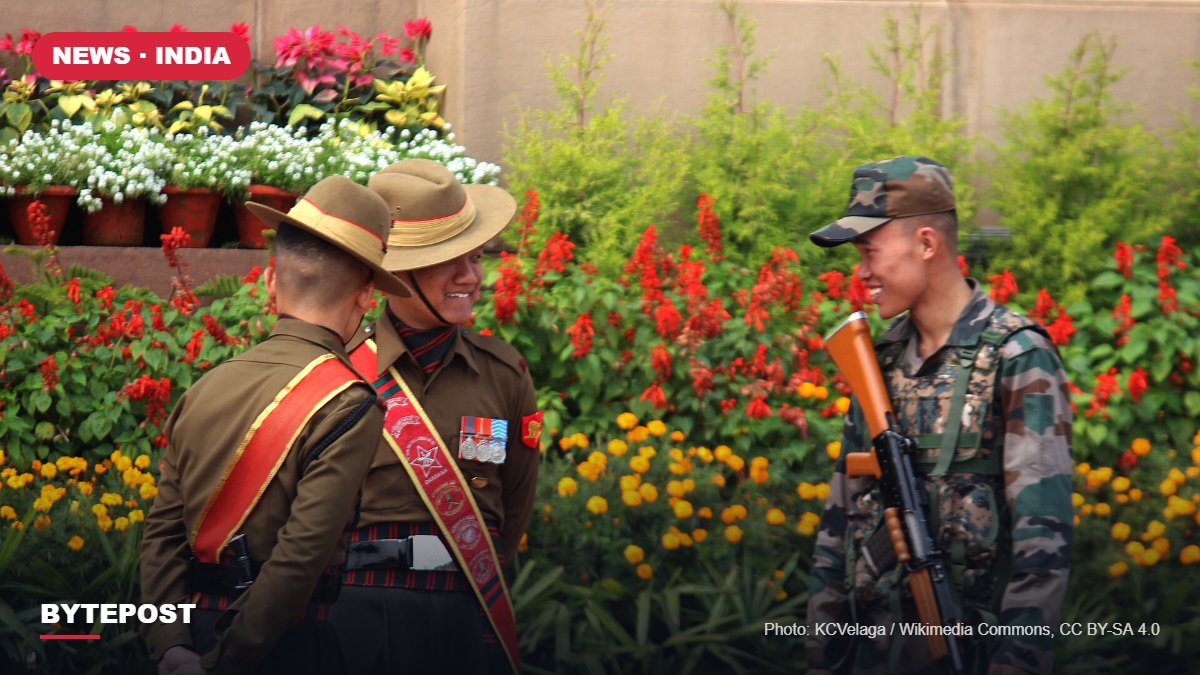
Thousands of young soldiers who joined the armed forces under the Agnipath scheme in 2022 were weeks away from leaving service. On 4 November 2026, the Union Cabinet changed that plan: most of them can now serve two more years and get a second chance at a permanent job.
What the Cabinet decided
The Union Cabinet has approved a two-year extension for Agniveers, Chief of Defence Staff General NS Raja Subramani announced on Wednesday, 4 November. Under the original Agnipath scheme, launched on 14 June 2022, Agniveers were recruited for a four-year term. Up to 25% of each batch could then be selected on merit as regular soldiers, while the rest were expected to leave.
That 25% route stays as it is. What changes is the fate of the other 75%. Instead of leaving after four years, they will be offered a “second engagement period” of two years. When those two years end, they can be considered for enrolment as regular soldiers, if they want it and if they meet objective selection criteria, the CDS said.
Put simply, the longest an Agniveer can now serve under the scheme goes up from four years to six.
Old rule vs new rule at a glance
| Point | Before the change | After the change |
|---|---|---|
| First term | 4 years | 4 years (unchanged) |
| Regular enrolment after 4 years | Up to 25% of the batch, on merit | Up to 25% of the batch, on merit (unchanged) |
| The remaining 75% | Exit after 4 years | Offered 2 more years of service |
| Second chance at a regular post | No | Yes, after 6 years, based on objective selection criteria |
| Monthly pay in years 5 and 6 | Not applicable | Reported: ₹43,500 (year 5) and ₹47,500 (year 6) |
| Longest possible service as an Agniveer | 4 years | 6 years |
Who benefits first
The timing matters. The first batch of more than 18,000 Agniveers, recruited in 2022, is due to finish its four-year term between December 2026 and January 2027, according to Oneindia. Outlook India also reported that the decision came weeks before about 18,000 Agniveers were due to complete their term.
Under the old rules, most of this batch would have had to leave unless they were picked for a permanent post. Now, those not selected in the first round can keep serving, keep earning and compete again for regular enrolment.
Pay and benefits: what is known so far
Reports say Agniveers who take up the extension will be paid ₹43,500 a month in the fifth year and ₹47,500 a month in the sixth year. The government has also indicated that the Seva Nidhi exit package and insurance cover will be improved under the new arrangement.
However, the exact size of the improved Seva Nidhi package and the new insurance amounts were not spelled out in the reports we read. Treat the pay figures as reported until the formal notification is issued.
One more detail: according to Oneindia, the CDS said Agniveers who qualify for regular service in this second round will be treated as junior to those enrolled in the first round. That can affect seniority and promotions later.
Six years does not mean a guaranteed permanent job
This is the most important point to understand. The extension offers an opportunity, not a promise. General Subramani said regular enrolment at the end of six years will depend on each Agniveer’s willingness and their ability to meet objective selection criteria. Outlook India also reported that the opportunity will depend on performance and review.
The detailed selection criteria for this second round have not been published yet. So an Agniveer should plan for both outcomes: being selected, or leaving after six years with more experience and a larger exit package.
Why the scheme is being changed
The CDS said it was clear from the start that the scheme would be reviewed, and that Agniveers were reviewed every year before the forces arrived at the two-year extension. He described feedback on the first batch’s performance as “very positive”.
The Agnipath scheme has been debated since its launch, mainly over job security after four years. The extension addresses part of that concern by giving recruits more time in uniform and a second chance at a long-term career.
What it means for you: what to do now
If you are a serving Agniveer from the first batch:
- Wait for the formal orders and instructions through your unit. Do not rely on social media forwards.
- Ask your unit how and by when you must opt for the second engagement, and whether you can choose to exit after four years instead.
- Ask how opting in affects the timing and amount of your Seva Nidhi payout and insurance.
- Keep your fitness, training and conduct records strong. The second selection is expected to be based on objective criteria and performance.
If you are planning to apply as an Agniveer:
- Read the next recruitment notification carefully for updated terms. Notices for Army recruitment are posted on the official Join Indian Army website, joinindianarmy.nic.in.
- Plan your studies and finances for a possible six-year commitment, not just four.
- Keep a backup plan. Other government openings, like the RRB NTPC UG railway clerk jobs or the ONGC apprentice seats, run on their own timelines.
Questions that are still open
- What exactly the “objective selection criteria” for the second round will be.
- The new Seva Nidhi amount and insurance cover for those who serve six years.
- How the opt-in process will work, and the deadline for the first batch.
- How seniority will be counted for those enrolled after six years.
We will update readers when the official notification with these details is released.
The bottom line
The Agnipath scheme now offers a longer runway. The 25% merit route is unchanged, but the other 75% are no longer shown the door after four years: they can serve two more years at higher reported pay and try again for a permanent post. It is a real second chance, not a guarantee, so serving Agniveers should watch for the formal orders and prepare for the selection that follows.
This article is for information only. Check official defence ministry and recruitment notifications before making career decisions.




Leave a Reply