

India makes more and more of its electricity from the sun and the wind, but the sun sets and the wind drops. On 4 November 2026, the Union Cabinet approved a ₹14,500 crore scheme to build giant “batteries” for the power grid, so clean electricity made in the afternoon can be used at night and during peak summer demand.
What the Cabinet approved
The Union Cabinet, chaired by Prime Minister Narendra Modi, approved a Viability Gap Funding (VGF) scheme of ₹14,500 crore to develop 92 GWh of grid-scale energy storage. The scheme runs for five years, from FY 2026-27 to FY 2030-31. Information and Broadcasting Minister Ashwini Vaishnaw briefed the media after the meeting.
The total investment expected in these projects is about ₹97,600 crore. By our simple calculation, the government’s ₹14,500 crore support is roughly 15% of that. The rest is expected to come from the companies and power utilities that build the projects.
The 92 GWh, broken down
| Type of storage | Capacity | How it works, in simple words |
|---|---|---|
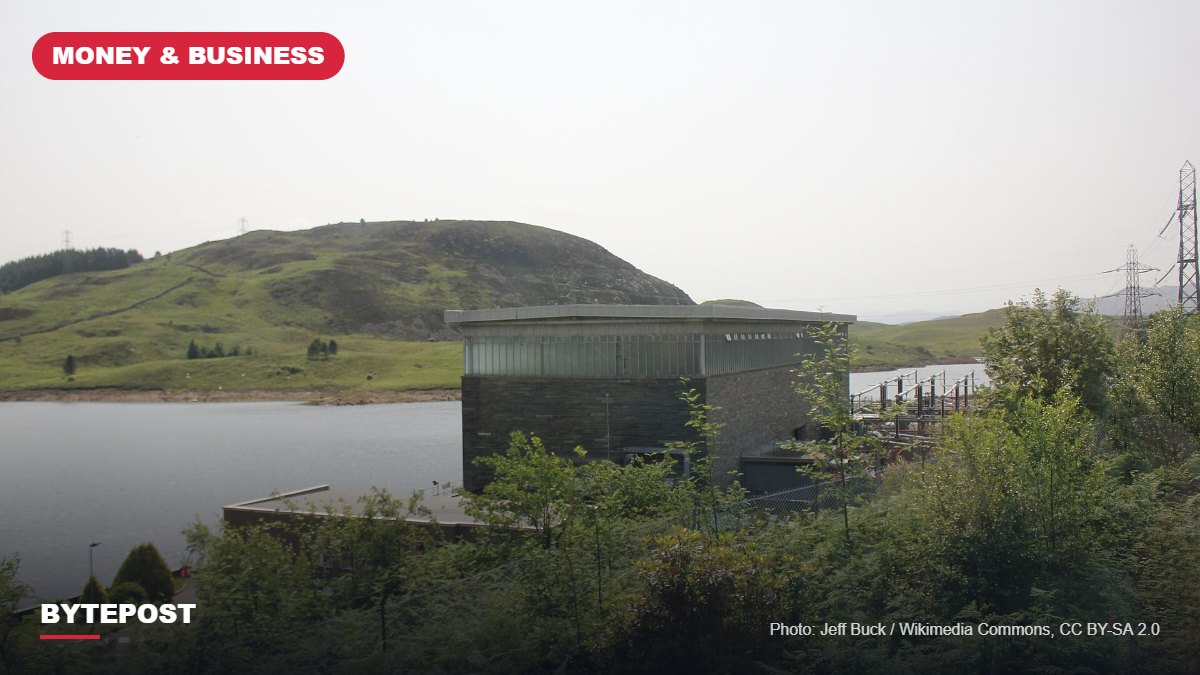
| Pumped storage projects (PSP) | 60 GWh | Water is pumped uphill to a reservoir when power is cheap and plentiful, then released downhill through turbines when power is needed. |
| Battery energy storage systems (BESS) | 30 GWh | Large banks of batteries charge from the grid when power is plentiful and discharge later. |
| Emerging storage technologies | 2 GWh | Newer methods beyond batteries and pumped hydro, to be taken up by public or private companies. |
| Total | 92 GWh | ₹14,500 crore VGF; about ₹97,600 crore total investment |
To put the size in perspective: 1 GWh is 10 lakh units (kWh) of electricity, so 92 GWh is 9.2 crore units. According to Deccan Herald, the new capacity would equal about 170% of India’s current grid-scale storage. It still covers only part of the need: the country is estimated to require 411 GWh of storage by 2031-32.
What “viability gap funding” means
Storage projects are expensive to build. If a developer had to recover the full cost from tariffs, the price of stored electricity could be too high for power distribution companies (discoms) to buy. VGF closes that gap: the government pays part of the upfront cost so the project can offer an affordable tariff.
Under this scheme, capacity will be given out through tariff-based competitive bidding, so developers compete on price. Public and private discoms are eligible for VGF support for battery and pumped storage projects. Projects using other storage technologies can be taken up by both public and private entities.
The “Made in India” condition
Battery projects under the scheme must meet a minimum 40% Domestic Content Requirement. In plain terms, at least 40% of the value has to come from components made in India. The government says this is meant to boost local manufacturing, cut dependence on imports and improve energy security.
A second scheme the same day: critical minerals
The Cabinet also approved a Capex Support Scheme to promote Critical Mineral Processing, with an outlay of ₹2,814 crore for lithium and nickel processing, according to ETV Bharat. Batteries depend on these minerals, and India remains heavily dependent on imports of refined material.
In a post on X, Prime Minister Modi said lithium, nickel and cobalt are essential for EVs, batteries, electronics and defence, and listed the key features as new processing plants, a capital subsidy to boost investment, more domestic value addition and stronger supply chains. Read together, the two schemes aim at the same goal: more batteries built in India, from minerals processed in India.
It fits a wider push to support domestic manufacturing, similar to the ₹10,000 crore container manufacturing scheme we explained recently.
What it means for you
This is a long-term infrastructure scheme, not a direct benefit for households. Here is how to read it:
- No change to your electricity bill now. The scheme does not cut tariffs or give subsidies to consumers. Projects have to be bid out, built and connected first, over the period up to 2030-31.
- More reliable supply over time. The official aim is round-the-clock power by storing surplus solar and wind electricity for use at night, in peak summer, or when renewable generation drops. If projects are built on time, this should mean fewer peak-hour shortages.
- Jobs and business. Pumped storage projects involve heavy civil construction, and the 40% local content rule creates demand for Indian battery and component makers. Engineers, technicians and small suppliers in the power sector should watch for tenders and hiring.
- For investors: news like this often moves power and battery stocks. A Cabinet approval does not guarantee any company will win bids or earn profits from them, so do not buy shares on headlines alone.
What to watch next
- The detailed scheme guidelines and the first bidding rounds.
- Which states and discoms come forward for battery and pumped storage projects.
- How the 40% domestic content rule is checked in practice.
- Progress on the critical mineral processing plants, which affects battery supply chains.
The bottom line
The Cabinet has put ₹14,500 crore behind 92 GWh of energy storage, mostly pumped hydro and batteries, to make India’s growing solar and wind power usable around the clock. It will not change your power bill tomorrow, but if the projects are built on schedule over the next five years, it should mean a steadier supply and more manufacturing work in India.
This article is for information only and is not financial or investment advice.




Leave a Reply