

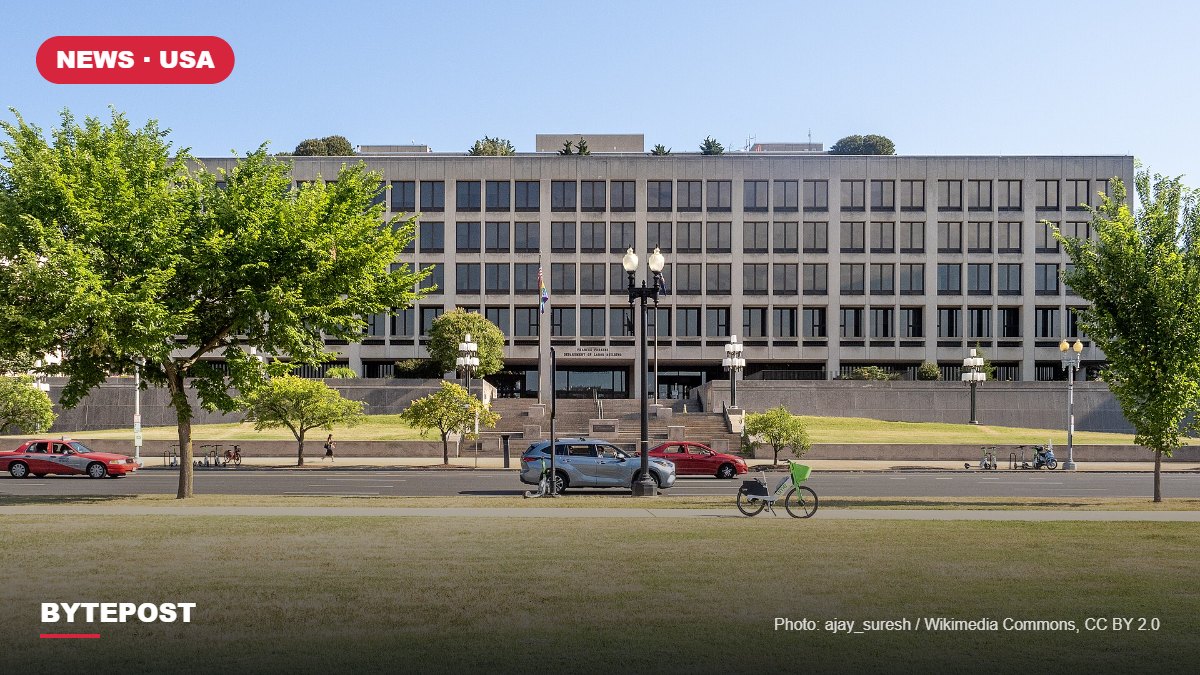
The US Department of Labor (DOL) has proposed sweeping changes to PERM, the labour certification process that most employer-sponsored green cards must pass through. If adopted, it would change how companies advertise jobs, stop some employers from sponsoring after layoffs, and end a shortcut used for nurses.
This is only a proposal, and nothing changes for your case today. But for Indians on H-1B visas waiting for a green card, this is one to follow closely.
What is PERM, and why does it matter?
Most employment-based green cards in the EB-2 and EB-3 categories start with PERM. Before a US employer can sponsor a foreign worker, it must show the DOL that it tested the job market and could not find a qualified, willing and available US worker for the role. Only after DOL certifies this “labour market test” can the employer file the I-140 petition with US immigration authorities.
Indians make up the largest share of H-1B workers and of the employment-based green card queue, so any change to PERM affects Indian families directly. For many, an approved PERM and I-140 is also what allows H-1B status to be extended beyond the usual six-year limit.
What the DOL has proposed
The proposed rule is titled “Modernizing the Labor Market Test and Improving Protections for U.S. Workers in the Permanent Labor Certification Immigrant Visa Program” (Federal Register document 2026-23370). It was put on public inspection on 16 November and published in the Federal Register on 17 November 2026. The document runs to about 350 pages. Based on summaries by the immigration law firms Murthy Law Firm, Klasko Immigration Law Partners and Envoy Global, the main changes are:
| Area | What the DOL proposes |
|---|---|
| Job advertising | Mandatory print newspaper ads replaced by electronic recruitment: the employer’s website, job search websites, social media where usual for the job, and job fairs or campus recruitment |
| How long ads run | Ads generally active for at least 90 days |
| Schedule A (pre-certified jobs) | Removed. Nurses and physical therapists (and, per Envoy, people of exceptional ability in the sciences or arts) would need full PERM recruitment |
| Layoffs | No PERM filing for two years after a qualifying layoff in the same or similar job and area |
| Filing | PERM and prevailing wage requests filed electronically in most cases |
The layoff rule could hit tech workers hardest
According to Klasko, an employer that carries out a qualifying layoff would be barred from filing PERM applications for two years in the same geographic area and the same or a similar occupation. Envoy describes it as no filing after layoffs in the same or similar occupation within the previous two years. Employers would also have to notify and consider laid-off US workers, both before and after filing, and through I-140 processing, and in some cases notify DOL and USCIS.
For Indian IT and tech professionals, this is the most important part. Large tech companies have announced layoffs in recent years. Under the proposal, a layoff in one team could pause green card sponsorship for similar roles in that area. Klasko notes this may affect employees who rely on PERM to extend H-1B status beyond six years.
For context, read our earlier reports on IBM ending H-1B and green card sponsorship for most consulting roles and the proposal to end USCIS “deference” on H-1B extensions.
Other changes in the proposal
- Stronger notices: wider notice of filing, longer posting periods, electronic notices, and notices at third-party worksites (Envoy).
- More attestations: employers would confirm compliance on recruitment, wages, non-discrimination and labour laws (Envoy, Klasko).
- Audits and penalties: expanded DOL audit powers, plus revocation and debarment provisions (Klasko).
- Remote and hybrid jobs: new disclosures for remote, hybrid and roving work. Envoy says DOL is asking for comments on whether fully remote positions should remain eligible for PERM.
- Third-party placements: restrictions for staffing arrangements (Envoy).
- Recordkeeping: longer record retention, and recruitment documents filed with the application (Envoy).
When could this take effect?
Not yet. This is a proposed rule. The public has 60 days from publication to comment; Klasko estimates the deadline at around 16 January 2027 and says the exact date will appear in the published rule. DOL must then review comments before it can issue a final rule, which may differ from the proposal.
Klasko’s summary says the filing date would decide which rules apply to an application, with a transition period once a final rule is published. Until then, the current PERM rules continue to apply.
What it means for you: what to do now
- Don’t panic, and don’t stop your process. Your PERM case is decided under current rules. If your employer is preparing a PERM, ask whether it can be filed sooner rather than later.
- Ask your employer about layoffs. If your company had layoffs in your job family or location, ask its immigration lawyer how the proposed two-year bar might apply if the rule becomes final.
- Nurses and physical therapists: if you were planning to use Schedule A, talk to your employer or attorney about timing, since this route could end.
- Track your H-1B clock. If you are close to the six-year limit, confirm with your lawyer which steps (PERM or I-140) you need, and by when, to extend your stay.
- Have your say. Anyone, including individuals, can submit a comment on the proposal through the Federal Register or Regulations.gov before the deadline.
The bottom line
The DOL wants a longer, online-first labour market test, an end to the Schedule A shortcut, and a two-year sponsorship freeze after layoffs. None of this is in force yet, and the final rule could change after public comments. If you are an Indian professional waiting on a green card, keep moving your current case forward and talk to your employer’s lawyer about how the layoff rule could apply to you.
This article is for information only and is not legal advice. Please consult a qualified immigration attorney about your own case.
Sources
- Murthy Law Firm: DOL proposes major changes to PERM labor certification (16 November 2026)
- Klasko Immigration Law Partners: PERM proposed rule, what employers need to know (16 November 2026)
- Envoy Global: US Department of Labor proposes changes to PERM labor certification program (16 November 2026)
- AILA: DOL announces proposed rule amending PERM certification regulations




Leave a Reply